
Synthetic Biology
Designing artificial photosynthetic units and H2 systems.
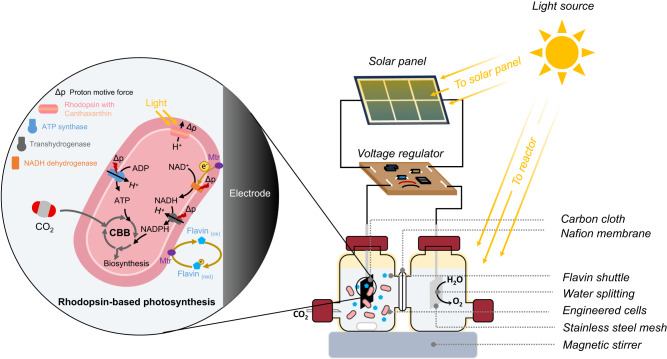
We engineer rhodopsin-based systems in Ralstonia eutropha for CO₂ fixation and in Shewanella oneidensis for hydrogen production.
Enter detail streamScientific Frontiers
Explore our foundational themes through the detail streams below. Each pillar cycles into our discovery workflow to ensure reproducible breakthrough research.
Designing artificial photosynthetic units and H2 systems.
We engineer rhodopsin-based systems in Ralstonia eutropha for CO₂ fixation and in Shewanella oneidensis for hydrogen production.
Enter detail stream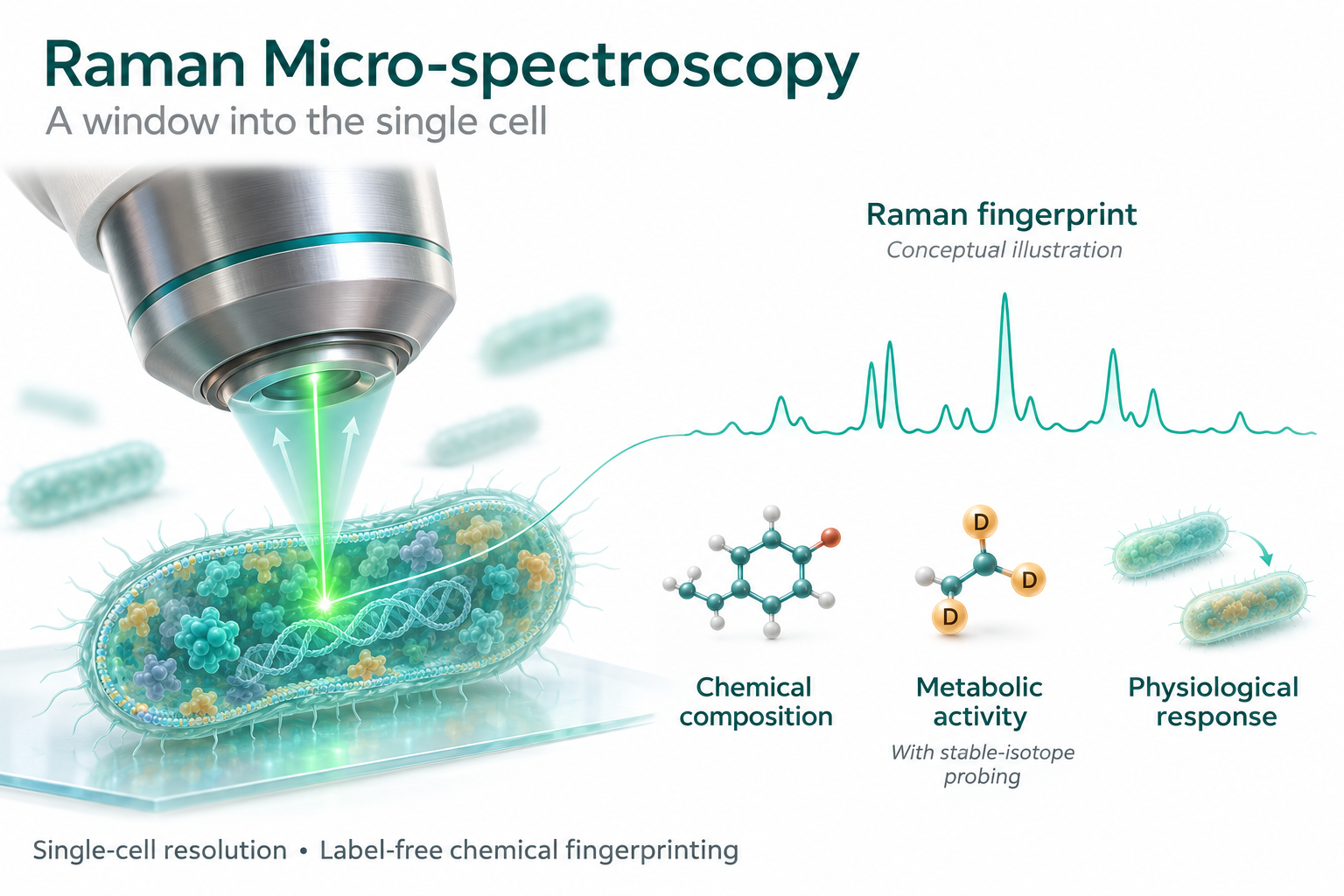
Creating a window into the single cell.
Non-destructive, label-free single-cell analysis allowing real-time observation of metabolic flux, chemical identity, and physiological response.
Enter detail stream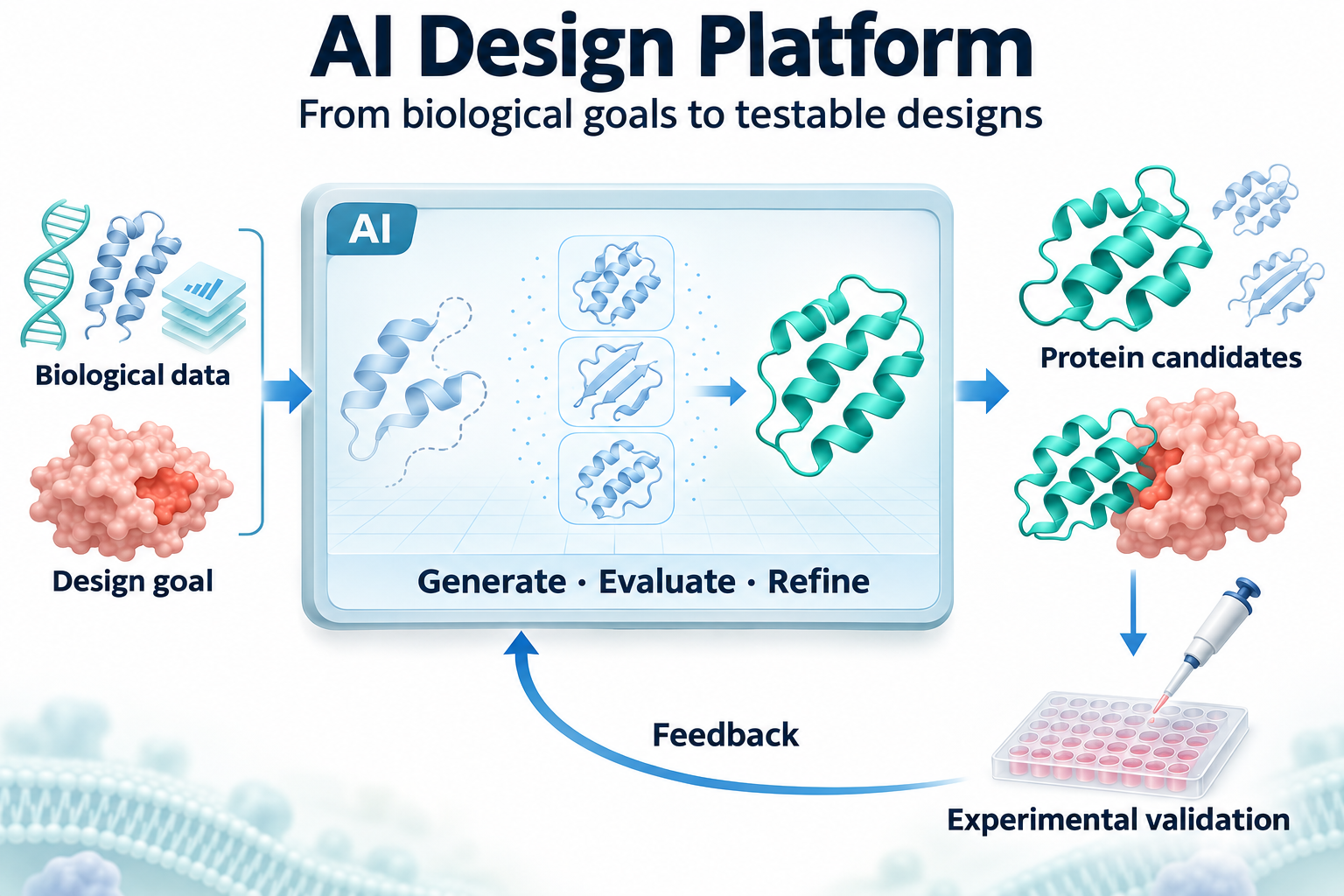
Exploring AI-guided protein design.
Connecting AI-enabled rhodopsin engineering with research into nanobody and antibody design, supported by computational tools and experimental validation.
Enter detail streamOur multidisciplined approach cycles design and validation into a cohesive process of biological understanding.
AI-driven circuit modeling & structural bio-prediction.
Synthetic construction of SimCells & metabolic pathways.
Single-cell Raman mapping & functional screening.
Iterative design loop for high-impact industrial applications.
Proposed and developed artificial photosynthesis (Nat Commun 2023, ACS Synth Biol 2022) and H2 production (PNAS 2024) using rhodopsin light harvesting system. This is the first report to convert a non-photosynthetic microorganism Ralstonia eutropha H16 into a photosynthetic one. Research collected as one of The Top 25 Life and Biological Sciences Articles of 2023 in Nature Communications.
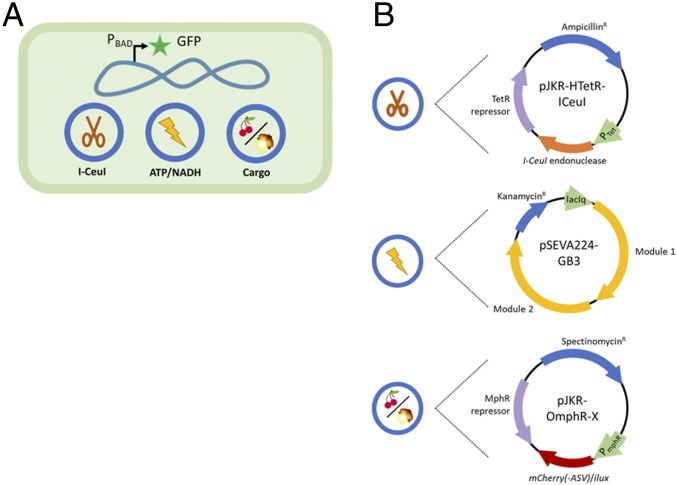
Proposed and developed reprogrammable SimCells (simple cells) as chassis for synthetic biology (PNAS 2020, Appl Environ Microbiol 2019, ACS Synth Biol 2021 and 2022). These chromosome-free cells provide a safe and controllable platform for synthetic gene circuits.
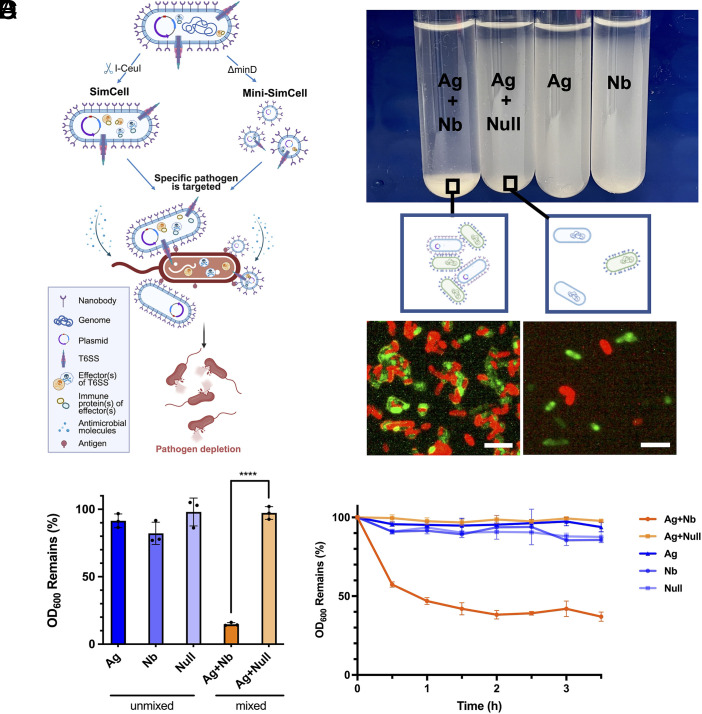
Chromosome-free SimCells and mini-SimCells use surface-displayed nanobodies to recognize target bacteria. Engineered antimicrobial mechanisms enable selective bacterial killing in laboratory models, including multidrug-resistant E. coli, with limited effects on non-target bacteria.
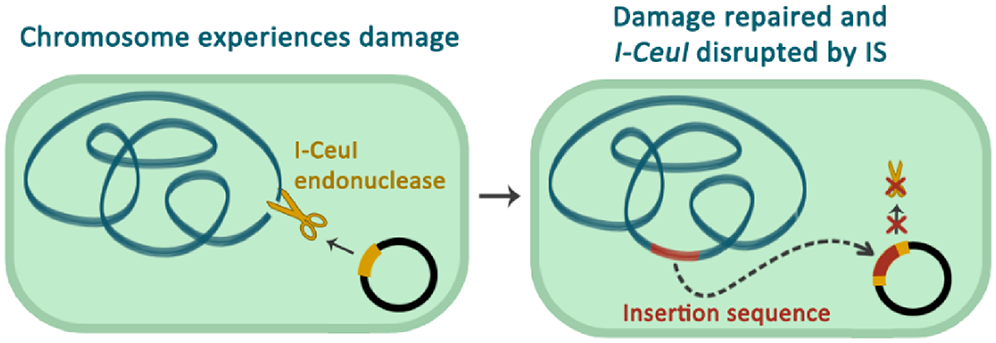
Bacterial insertion sequences can disable harmful introduced genes and restore host fitness, revealing a defensive role for mobile DNA and a challenge for synthetic gene-circuit stability.
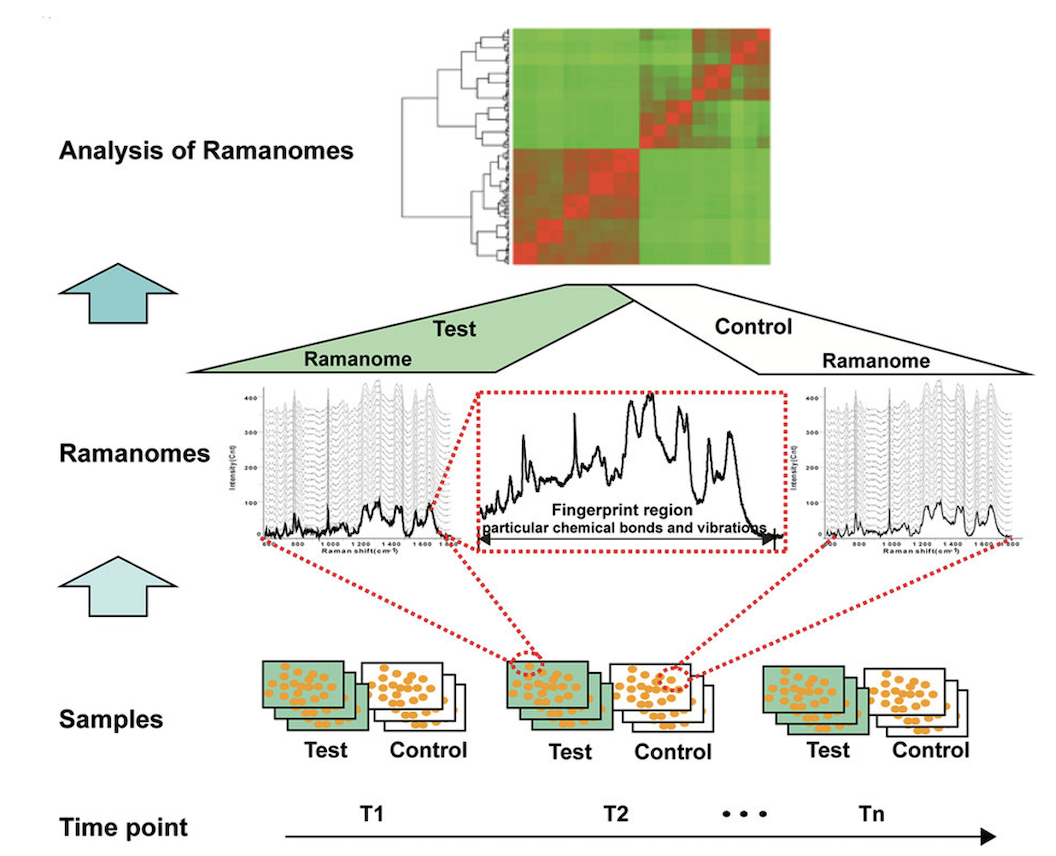
Pioneer of Raman microscopic analysis of single cells, documented in classic textbook 'Brock Biology of Microorganisms'. Includes the first report on single cell Raman technology (2004), Raman-FISH (2007), and Raman activated cell sorting/ejection (2009-2024). Highlighted by Nature and other high-impact journals.
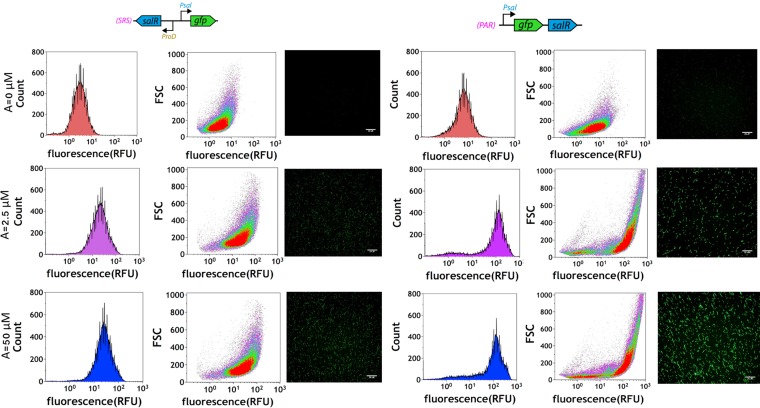
Designed and applied biosensors to environment and medicine since 2005. These technologies have been applied to medical diagnosis and toxicity detection in US, China, Bangladesh and India, documented across numerous journals including Environ Sci Tech and Water Res.
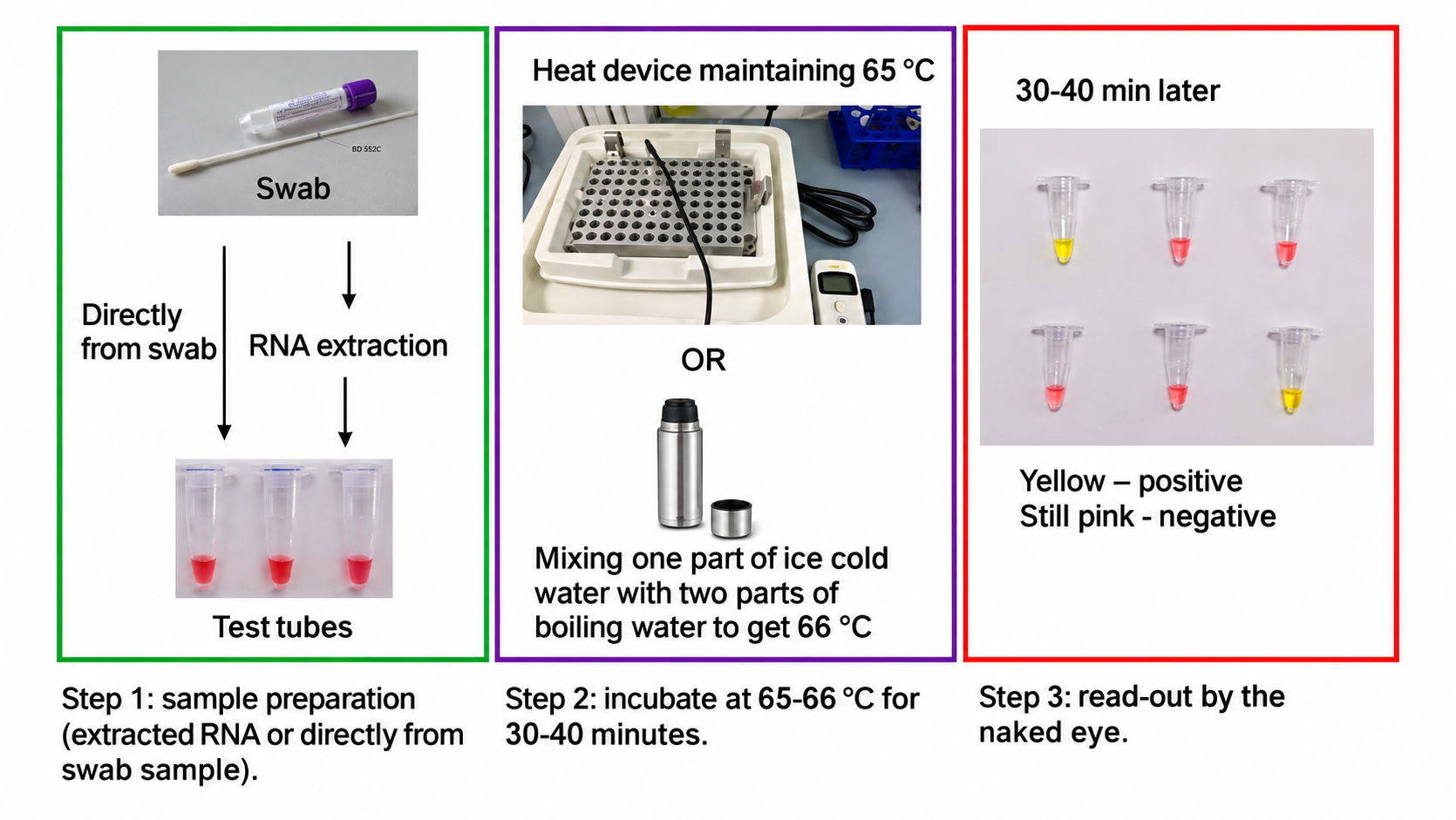
Development of rapid Covid-19 test (Microb Biotechnol 2020), ranked top cited paper. Deployed in 7 major international airports. Recognized by the President's Special Award from the Royal Academy of Engineering and won the Outstanding Achievement Award by IChemE 2023.
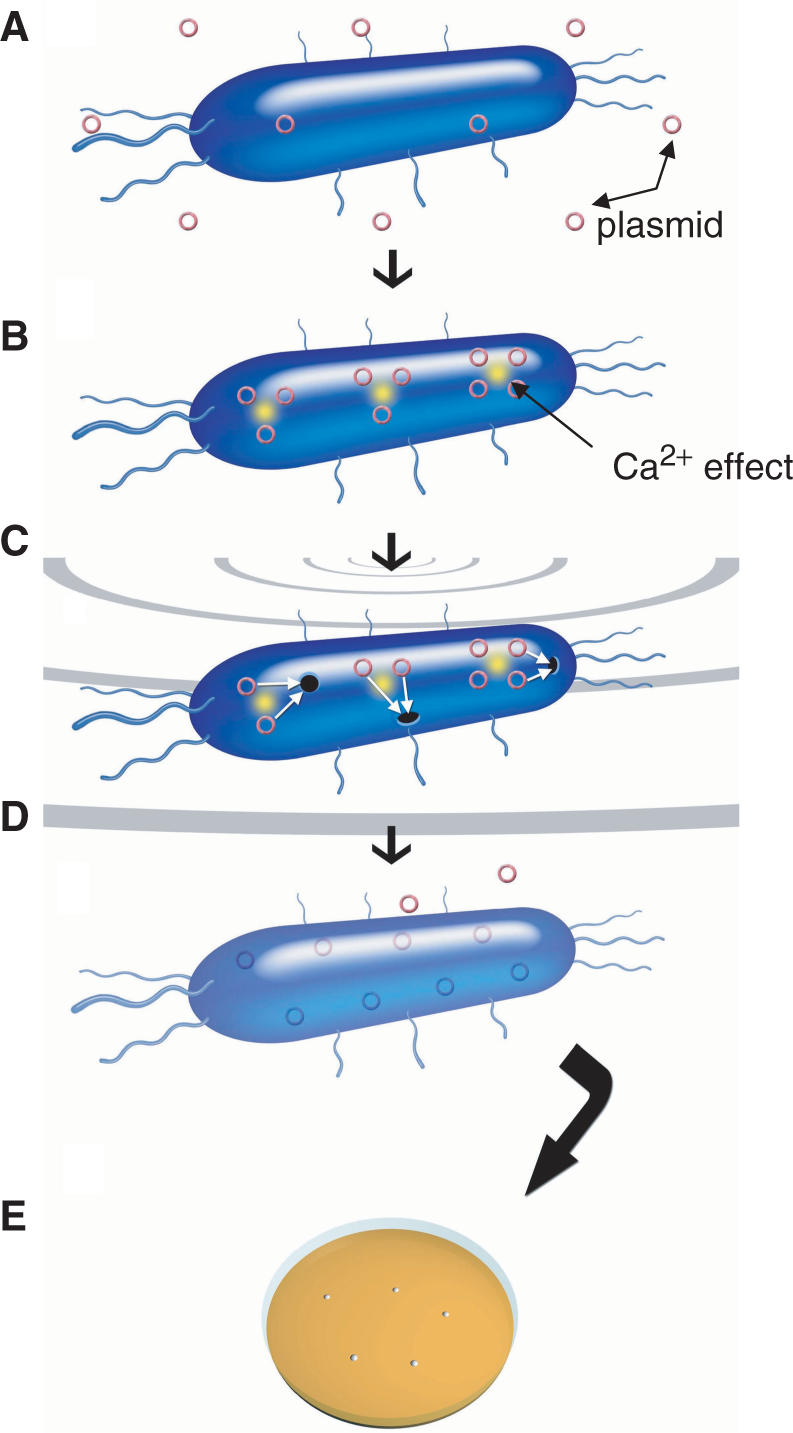
First report on ultrasonic gene transfer to bacteria (Nucleic Acids Res. 2007), opening a new approach to introduce genetic information in natural water and soils. This scalable technology allows for industrial control of genetic functions in microbial communities.
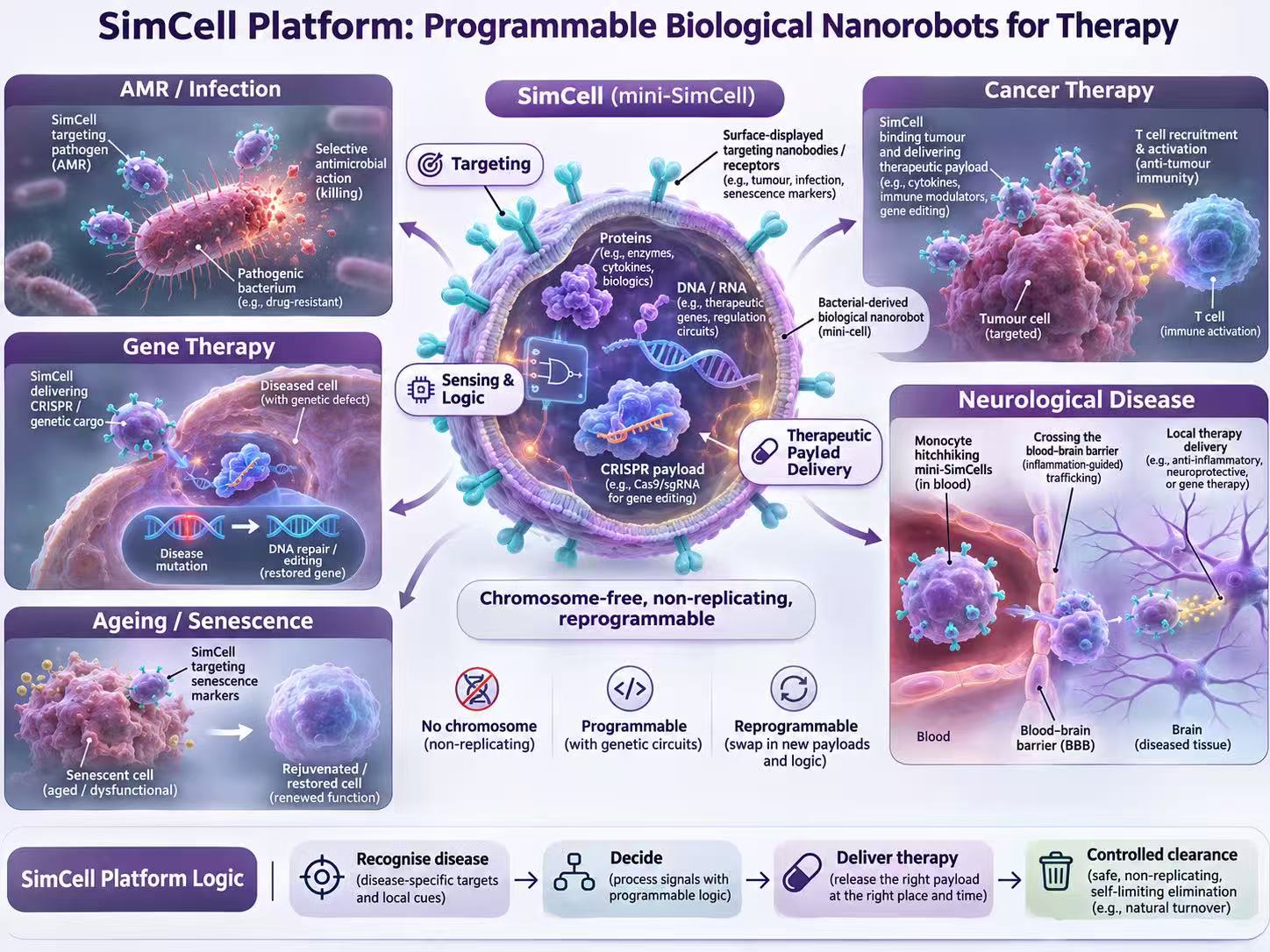
We engineer chromosome-free SimCells and mini-SimCells as programmable platforms for targeted antimicrobial and cancer therapy. Published studies investigate selective targeting, genetic control and therapeutic activity in experimental models.
PNAS
Nanobody-guided SimCells and mini-SimCells selectively target bacteria and deliver antimicrobial activity in laboratory models.
ACS Synthetic Biology
Anti-CEA nanobodies guide SimCells to colorectal cancer cells, with targeted cancer-cell killing demonstrated in vitro.
PNAS
Establishes chromosome-free SimCells that execute synthetic gene circuits, including a proof-of-concept anticancer application.
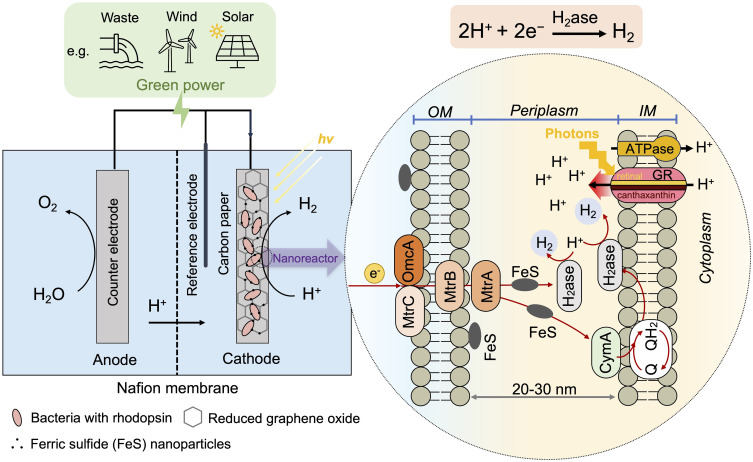
We combine rhodopsin light harvesting, electron transfer and metabolic engineering to build microbial systems for CO₂ fixation and hydrogen production. These studies provide a foundation for light-driven, sustainable biomanufacturing.
PNAS
An engineered bacterial periplasm integrates electron delivery, light-driven proton transport and hydrogenase activity for hydrogen production.
Nature Communications
Combines a rhodopsin proton pump with extracellular electron uptake to drive photoelectrosynthetic CO₂ fixation.
ACS Synthetic Biology
Couples microbial rhodopsin to an external photocell, enabling engineered bacteria to grow using CO₂ as the carbon source.
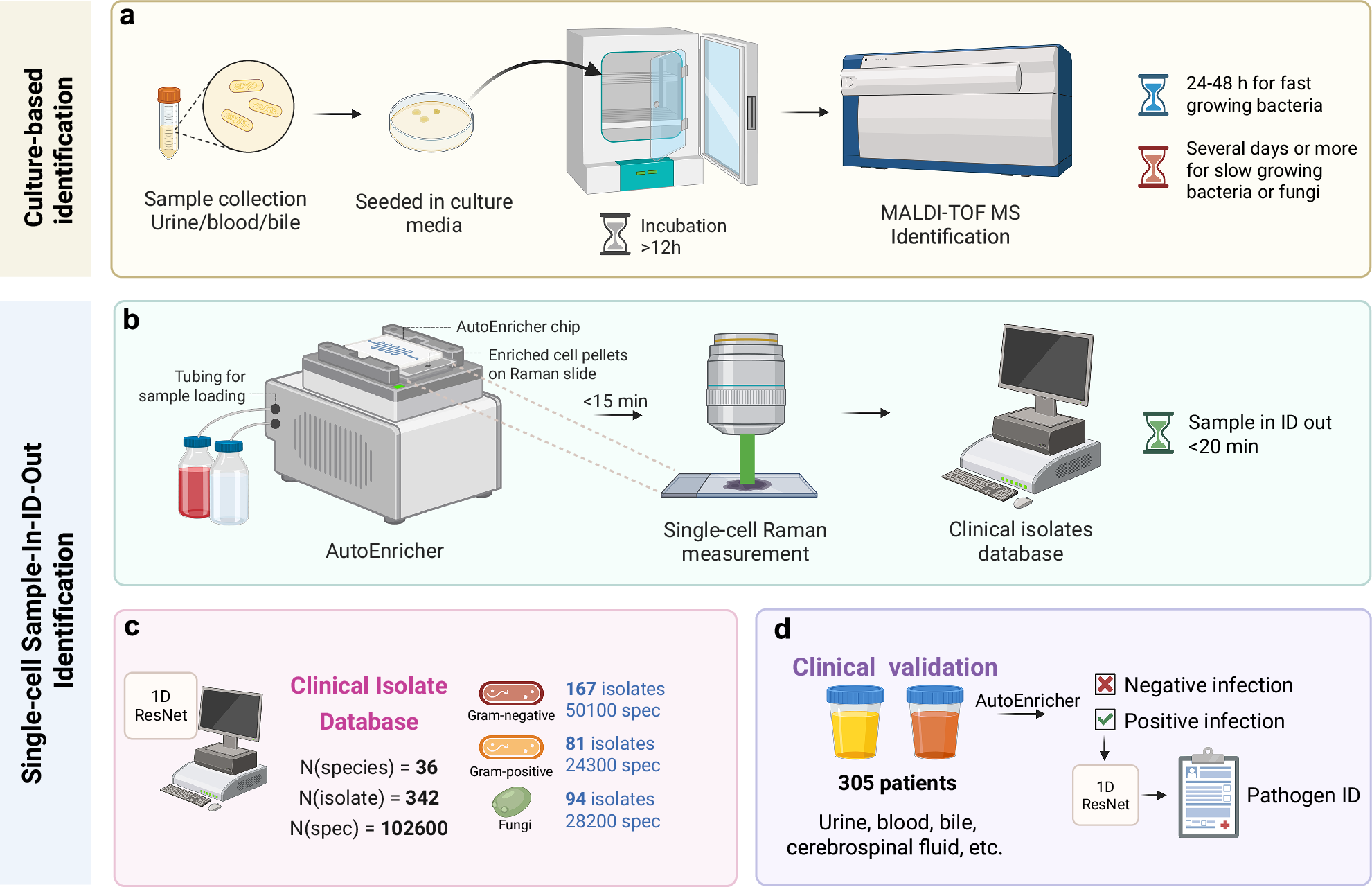
Microfluidic enrichment, single-cell Raman spectroscopy and deep learning enabled pathogen identification directly from clinical samples in about 20 minutes, without culture. In a study involving 305 patients, the workflow showed 95.4% agreement with conventional culture and 98.5% sensitivity for detecting infections.
Analytical Chemistry
Raman-DIP reports phenotypic drug responses in about 50 hours in the tested set of five strains and four first-line drugs.
Science Advances
S-RACE combines stimulated Raman imaging and laser-induced cell ejection for label-free single-cell sorting.
Environmental Microbiology
Combines isotope-sensitive Raman measurements with fluorescence in situ hybridization to link microbial identity and function.
Analytical Chemistry
Foundational work on applying Raman microscopy to the analysis of individual microbial cells.
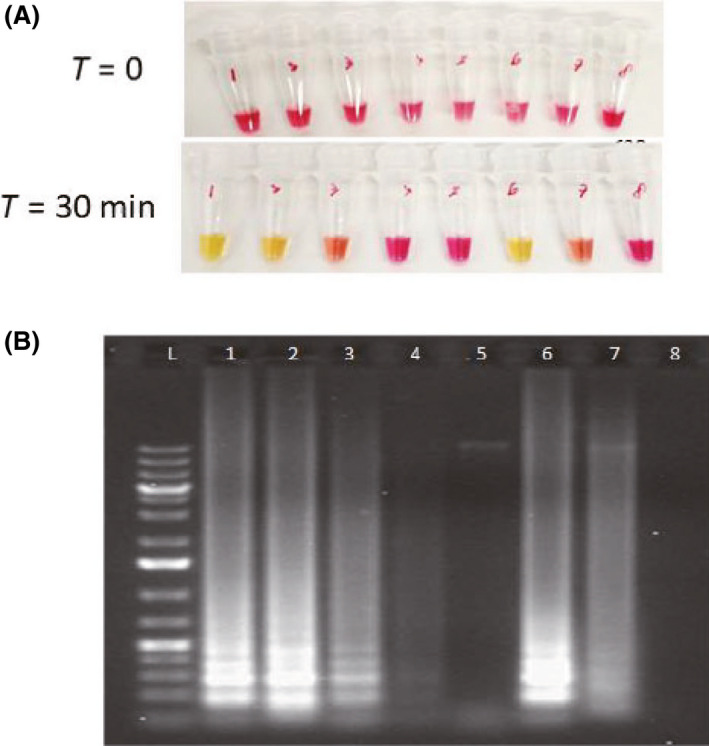
Our wider work includes whole-cell biosensors for environmental assessment, rapid molecular diagnostics and ultrasound-mediated DNA delivery. These methods extend biological sensing and engineering across health and environmental applications.
Science of the Total Environment
Magnetic nanoparticle-functionalized biosensor arrays assess contaminant bioavailability and ecotoxicity in environmental samples.
Microbial Biotechnology
Develops a colorimetric RT-LAMP method for rapid viral RNA detection, evaluated with clinical samples.
Nucleic Acids Research
Demonstrates low-frequency ultrasound as a method for plasmid delivery into bacterial cells.
Browse the complete record of our published work.
All publications